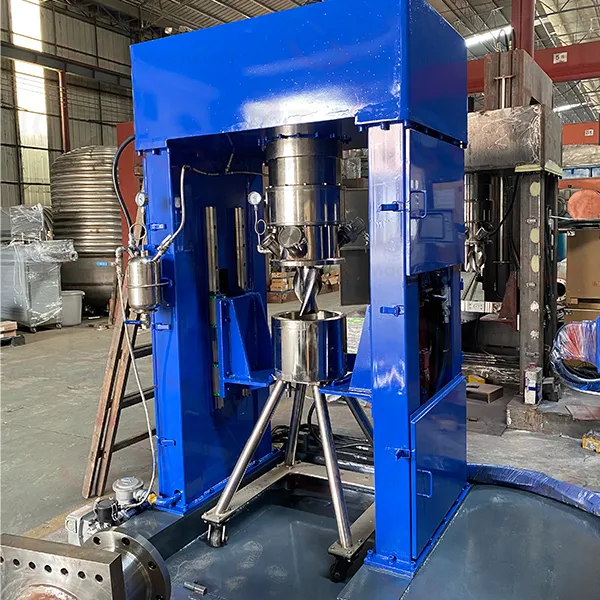
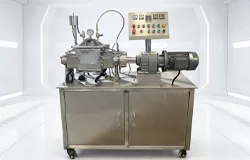
Dental Material Vertical Kneader Parameter
| Volume |
10L |
| Working Volume |
60%-80% |
| Mixing Method |
Vertical double-paddle kneading |
| Main Motor Power |
3-7.5kW (optional) |
| Rotation Speed Range |
0-60rpm (variable frequency) |
| Equipment Material |
SS304 / SS316 / Carbon steel lined with stainless steel |
| Heating Method |
Electric heating / Thermal oil / Hot water (optional) |
| Design Pressure |
Atmospheric pressure / Slight negative pressure (optional) |
| Discharging Method |
Bottom discharge |
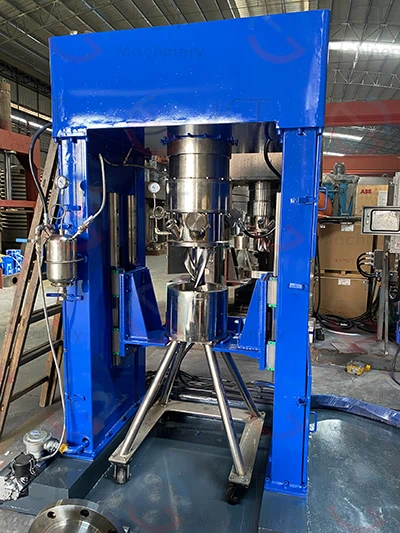
Applicable Dental Materials
- Dental composite resins (Light-cure/self-cure)
- Dental denture base materials
- Temporary restorative materials
- Dental adhesives, dental resin glue
- Dental silicone impression materials
- Functional medical paste materials
Main Advantages of Dental Material Vertical Kneader
- Vertical compact structure: Small footprint and reasonable operating height, suitable for clean laboratories and R&D emvironments.
- High torque, low speed kneading: Ensures thorough and uniform mixing of dental materials without demaging the formula structure.
- High-standard sealing system: Prevents external contamination, meeting the stringent cleanliness requirements of medical materials.
- Precise temperature control: Jacket heating/cooling design ensures stable reaction and rheological properties of resin materials.
- Configurable vacuum degassing: Effectively removes microbubbles, improving the density and appearance quality of the finished product.
Optional Configurations
- All contact materials are SS316
- High-cleanliness sealing and shaft sealing system
- Vacuum system (de-aeration dedicated)
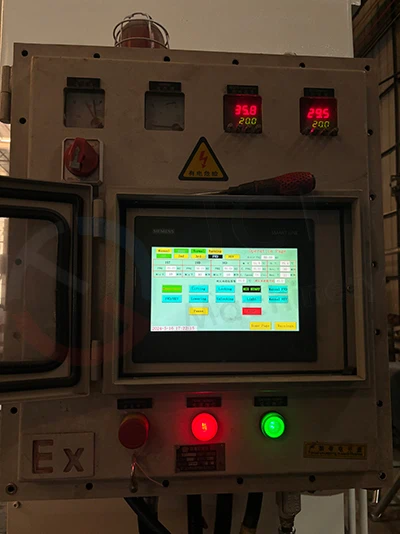
- PLC touch screen control, formula parameters can be recorded
- CIP-based rapid cleaning structure to prevent cross-contamination
- Explosion-proof or medical -grade electrical control system
Dental materials require extremely high levels of uniformity in mixing, cleanliness, and batch consistency. Compared to ordinary kneading, equipment, dental material vertical kneader is closer to medical material standards in terms of structural design, material selection, and process control, providing reliable process data and a stable foundation for subsequent large-scale production.






 Home
Home